


High tech comfort meets in-person preference: PureSpectrum measures the shifting consumer sentiment surrounding virtual medical care.
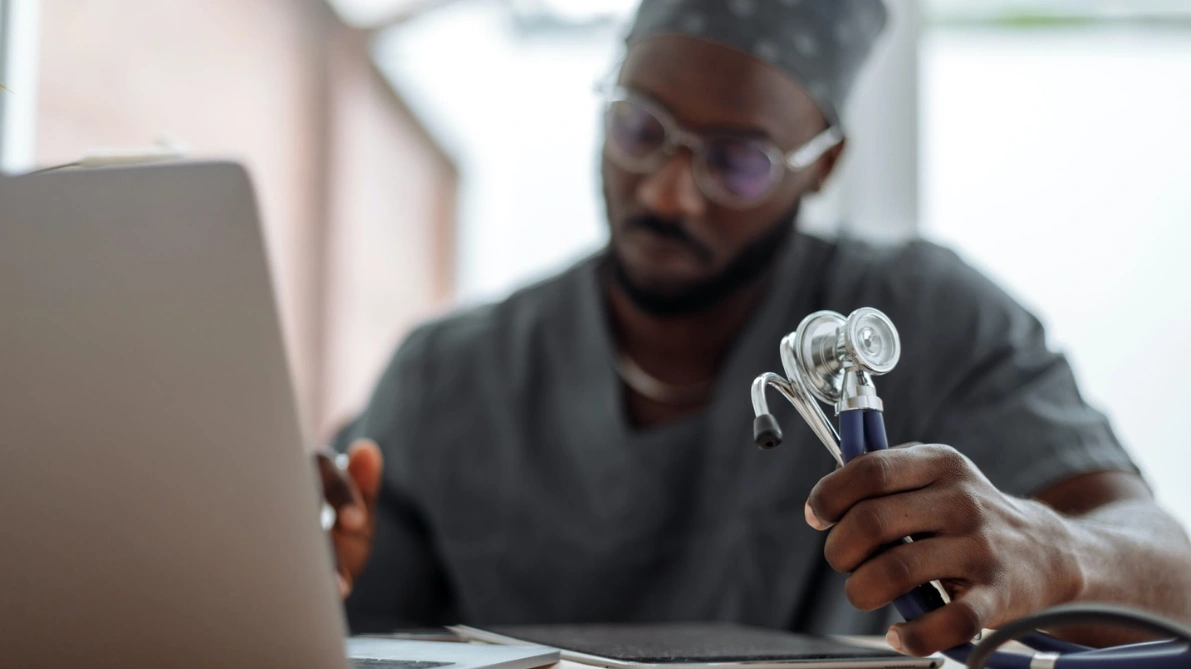
Throughout the pandemic, there has been a rise in telehealth appointments especially during periods of COVID-19 lockdowns. Subscribed: America’s attachment to meal kits and wine clubs asked the same persistence question, whether subscription services that boomed during lockdowns would maintain their user base once normal life resumed. Now with most cities and states in America open, what type of doctor appointments do people prefer? How cell phones make meditation more approachable explored a related post-pandemic digital health behavior, finding that 80% of Americans had tried meditation, with apps providing accessible, phone-based alternatives to in-person wellness services.
Surveying only respondents who had seen at least one doctor or specialist in the past year, we asked a battery of questions to better understand patients’ office frequency and preferences. Almost 70% reported having been physically present with their doctor’s office in the last year and over 80% have been to an office multiple times. What workers want this fall examined the parallel return-to-in-person question for the workplace, finding that the majority of workers were back in offices at least weekly but that forced returns without flexibility were a significant resignation risk.
For the 30% of respondents who had participated in telehealth, we wondered how the experience had been for them. None of our respondents answered that it was “extremely difficult” to connect to their virtual appointment. When filtering by age on the Insights Platform, none of the age groups reported having major issues, and 100% of respondents 65 and over said they found accessing the appointment “extremely easy.” However, of those respondents, not all would book a telehealth appointment again.
It seems, however, that given the current warning around the Delta variant of COVID-19, more patients are interested in exploring telehealth options. Almost 60% of patients polled said they are given an option of in-person or telehealth when scheduling appointments and 39% said they would currently prefer to conduct remote appointments. This is an increase of 9% from earlier this year. To that end, 46% of respondents said they would be more likely to book an appointment with a medical office that offered telehealth options than one that didn’t.
While many patients still prefer to see a doctor in person, very few seem intimidated by the technology involved with telehealth. Given that the COVID-19 pandemic has no known end date, it seems that it would behoove medical practices to invest in telehealth options if they haven’t done so already. Flexibility is continuously mentioned as a way to navigate 2021, and telehealth is a way for medical practices to stand out to patients and offer flexible access.
Want to learn more about running your own survey? See how easy it is on our Insights Platform.
Interested in getting access to this data? Email us at marketing@purespectrum.com
Methodology
PureSpectrum interviewed 163 online respondents between August 25th, and 26th, 2021 using the PureSpectrum Insights Platform. The platform is integrated with the PureSpectrum Marketplace which combines proprietary measurement tools and third-party data validation to quickly collect high-quality insights. The study fielded in less than 5 hours and targeted respondents within the United States and consisted of a general population audience of 18+ years old. This study uses a 95% confidence level to examine the data.